What is Medicare?

Medicare is a federal health insurance program that covers millions of Americans. In general, you are eligible for Medicare if you are 65 or older, or you are younger than 65 and meet criteria for certain disabilities.

The Medicare enrollment Annual Election Period (AEP) is October 15 through December 7. This is also when you can make changes to your current Medicare coverage. Since plans, premiums and benefits can change, it’s to your advantage to review your coverage and consider your options.  We will review your plan and changing needs with no cost to you.  Making the right choice can save you thousands of dollars a year. So let’s dig in and compare the details.
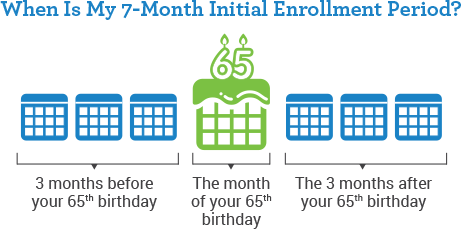
If you’re turning 65, you have a 7-month period to enroll that begins 3 months before the month you turn 65 and ends 3 months after your birth month.

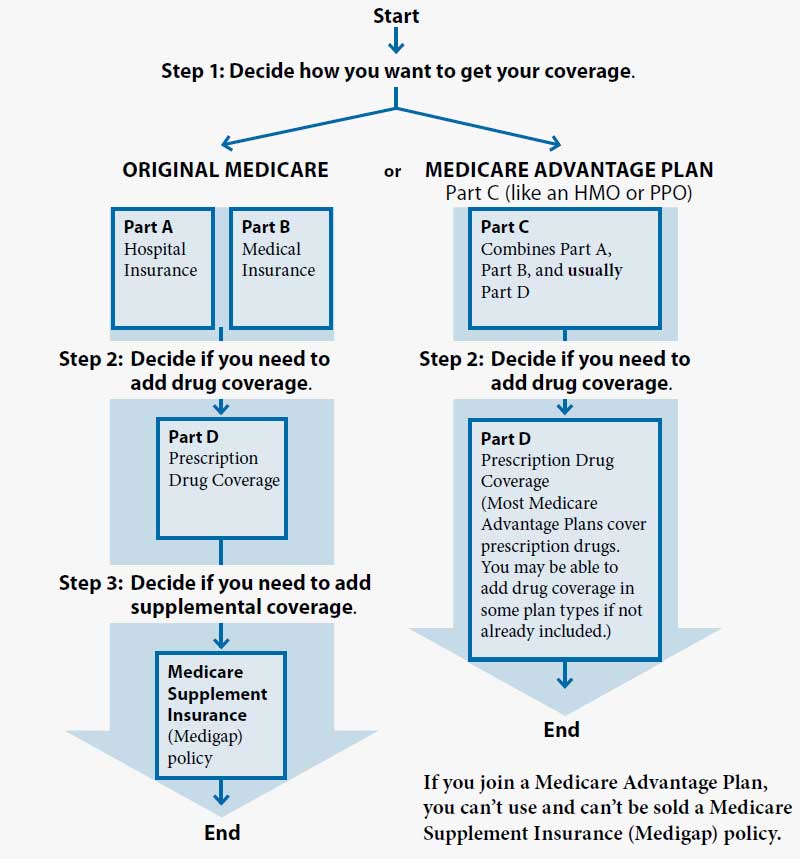
The graph below shows the two main ways people attain their Medicare Coverage

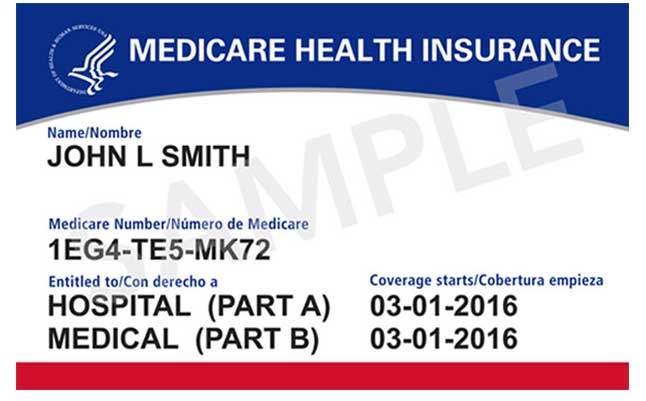
Part A — hospital — is free if you or your spouse have paid into Social Security for at least 10 years.

Part B — medical — does have a premium. The standard is $134.90 per month (this can vary based on income). You still need to cover the bulk of your prescription drug costs, as well as things like dental and vision.

In general, Original Medicare — Part A and B only — covers 80% of your medical bills, and you are responsible for the other 20%. That means if you become ill or injured, your

savings could be at risk. There’s no upper limit to what your share of medical expenses could be. That’s why most people add more coverage, Part D, prescriptiondrug coverage, and a Medicare Supplement (Medigap Policy).

Part C — A Medicare Advantage Plan — covers everything Original Medicare does. It also usually covers prescription drugs. Often you get dental and vision at no extra cost.  And there’s a built-in “safety net” that limits the amount you’ll pay out of pocket each year. That protects your savings.

Your Medicare Coverage Options

Get Original Medicare Only

Again, Original Medicare doesn’t cover everything. It’s your most basic option. You will still need to cover costs for things like prescription drugs and more.

Purchase a Medicare Part D Plan

To help with prescription costs, you can get Part D coverage. The premiums vary. This option will not help you with medical costs that Original Medicare doesn’t cover.

Purchase a Medicare Part D Plan and a Medicare Supplement

As described above, the Part D Plan will help with prescription costs. You can also add a supplemental plan that will cover other costs that Original Medicare doesn’t. This can be expensive, and the premiums vary based on type of policy, your age, and your health condition when you sign up. With a Medicare Supplement, you pay the same every month even if you see a doctor or go to the hospital.

OR, Get a Medicare Advantage Plan

A Medicare Advantage plan covers everything Original Medicare does. It also usually covers prescription drugs. Often you get dental and vision at no extra cost. And there’s a built-in “safety net” that limits the amount you’ll pay out of pocket each year. That protects your savings.

Check out these videos for simple explanation to understanding Medicare

Call me to discuss which plan best fits YOUR needs: (208) 258-1470